Forest Monitoring
Tree Ring Lab at Lamont Sanctuary Forest
The Lamont Sanctuary Forest is a living laboratory where long-term monitoring of forest health and structure has been ongoing since the 1980s. Researchers at Columbia University have established permanent monitoring plots to track changes in tree growth, mortality, species composition, and canopy structure. These plots provide invaluable insights into how northeastern forests recover from historical land use and respond to climate change.
Recent efforts have focused on expanding forest monitoring to integrate both aboveground and belowground measurements, including soil carbon dynamics, tree physiology, and ecosystem fluxes. Dendrometer data from multiple trees captures daily changes in stem diameter, providing high-resolution information on tree growth patterns and responses to environmental stressors.
The dataset includes metrics like diameter at breast height (DBH), tree height, species identification, and approximate age (based on coring or estimates from local records). This integrated monitoring approach supports a deeper understanding of forest carbon dynamics and informs sustainable forest management.
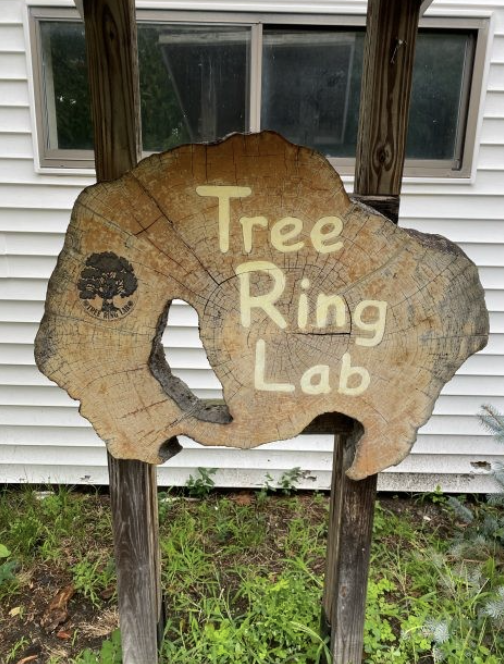
Figure 1: The front entrance to LDEO's Tree Ring Lab.
Long-term Monitoring Plots
The permanent 1-hectare study plot established in the Lamont Sanctuary Forest provides high-resolution data on both aboveground forest structure and dynamics. Regular measurements of tree diameter, height, and species composition allow us to track changes in forest composition and productivity over decades. This long-term perspective is essential for understanding how forests respond to environmental change and disturbance.
Allometric Measurements
Allometric measurements provide essential insights into forest structure and carbon dynamics. At Lamont Sanctuary Forest, researchers collected diameter at breast height (DBH), total height, tree species, and estimated age for hundreds of trees. These data allow us to estimate aboveground biomass, carbon storage potential, and forest growth patterns over time.
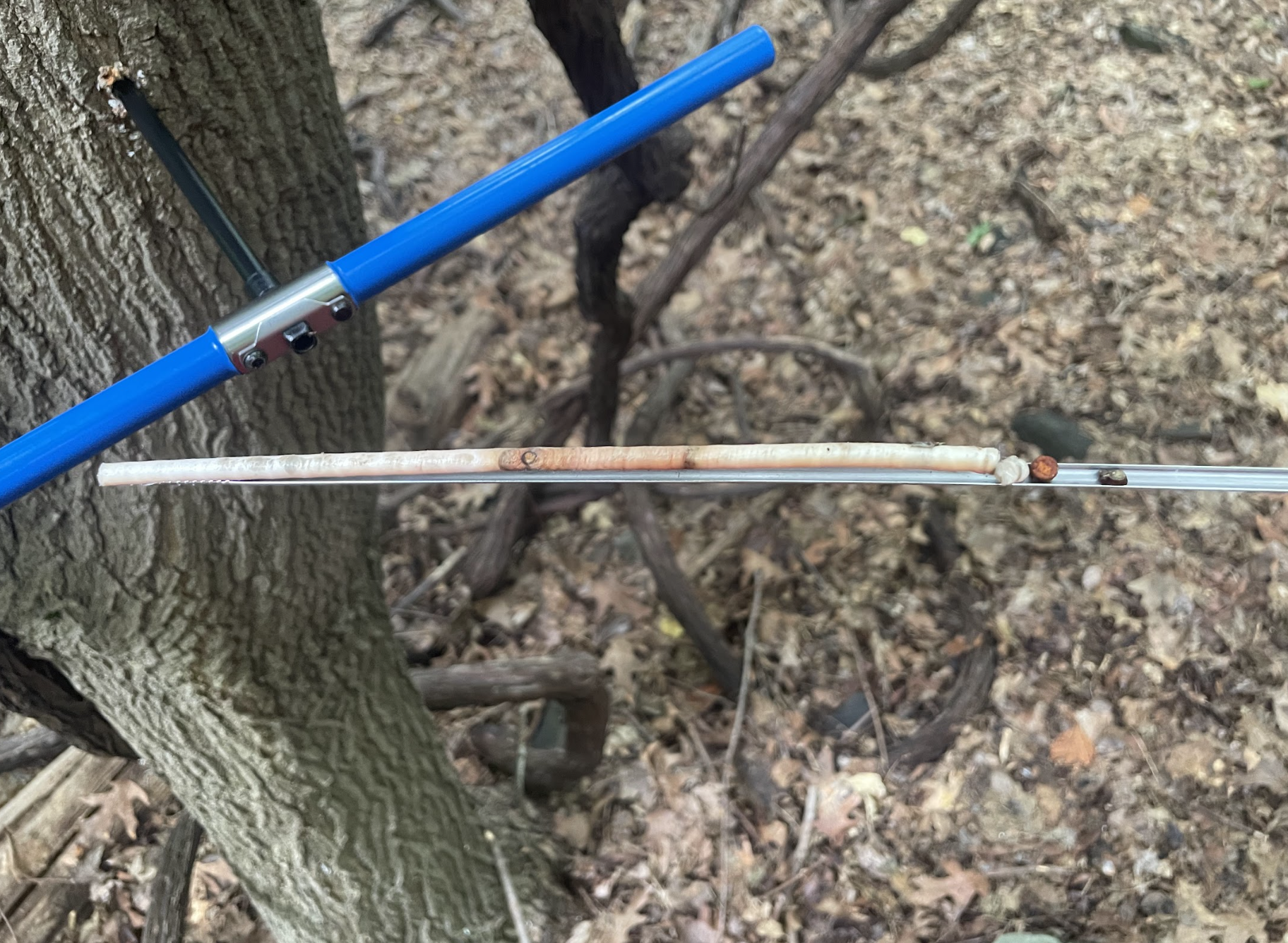
Figure 2: Increment borer in use for tree coring to help predict allometric measurements